

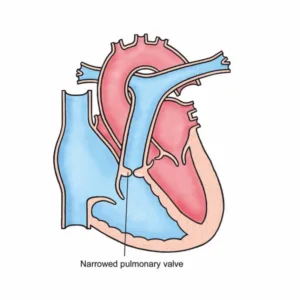
In this condition the valve letting blood flow from the heart to the arteries in the lungs is narrowed. In most cases it is not a serious problem.
In the normal heart, blood passes from the main pumping chamber on the right side of the heart (the right ventricle) to the artery feeding the lungs with blood (the pulmonary artery). When the valve letting blood out of the right ventricle (the pulmonary valve) is narrow the muscle of the right ventricle has to work harder than normal and the muscle gets thickened, just like other muscles in the body if they are worked hard. If the pulmonary valve is only mildly narrowed the heart copes very well, but if the narrowing is very severe the heart cannot pump normally, and this can limit how much exercise the child can manage and very rarely can even cause death if it is not treated.
Many children have mild pulmonary stenosis and do not need any treatment at all, but the valve can become narrower as the child grows, so check-ups in the outpatient clinic will be necessary even if the child appears perfectly well.
Normal heart:
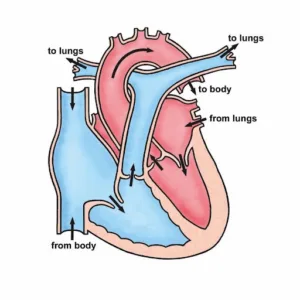
Image of a heart with Pulmonary Stenosis:
Tests
An ultrasound scan of the heart (“echocardiogram”) is required to look at the heart valve.
Treatment
If the valve is severely narrowed treatment will be needed. It is very rare to need open heart surgery.
Keyhole treatment
Most cases can be treated by stretching the narrow valve open with a balloon (called “balloon valvuloplasty”). This is done under general anaesthetic and involves passing a long tube with a collapsed balloon on the end of it (a balloon catheter) into the vein at the top of the leg and feeding it up into the heart and across the narrow valve. Using Xray pictures, the balloon is positioned in the narrow valve and is blown up, stretching the valve open.
The cardiologist will discuss the risks and potential complications of the procedure in clinic with you.
This is often performed as a day case or sometimes a one night’s stay in hospital is necessary. Sometimes if the narrowing is only partly relieved by the balloon the procedure may be repeated later.
Because the thickened heart muscle (due to the narrow valve) itself can cause some narrowing, it is not always possible to tell straight after the procedure exactly how successful it has been – sometimes we have to wait for a few weeks for the thickened heart muscle to return to normal.
In a small proportion of patients, the thickened heart muscle doesn’t return to normal and if this causes important narrowing inside the heart, surgery is needed to remove some of the muscle.
Surgical treatment
Sometimes the pulmonary valve cannot be stretched open using a balloon and open-heart surgery will be needed. If this is necessary, the surgeon will discuss the operation with you in detail including the risk and potential complications.
After the operation the child usually stays in hospital for about 5 days.
The long-term future
Children who have not needed any treatment by the time they are fully grown usually don’t ever need treatment for their pulmonary stenosis, but in rare cases the valve can become narrower in later adult life.
Children who have a good result from balloon stretching of the valve or surgery usually do not need any further treatment. However, after any kind of treatment for pulmonary stenosis, the pulmonary valve never works completely normally, and will leak to some extent (some of the blood pumped out of the heart to the lungs flows back into the heart through the valve). There is a small chance that some children might need surgery to replace or repair the valve in later life.
General advice for the future
Most children with pulmonary stenosis, whether they have had treatment or not, lead completely normal lives and can exercise normally too.
Patients with pulmonary stenosis will be at a small risk of infection in the heart (called endocarditis), both before and after treatment. Such infections may be caused by infections of the teeth or gums. It is important to look after your child’s teeth and visit the dentist regularly (every 6-12 months). Ear or body piercing and tattooing are best avoided as they also carry a small risk of infection which may spread to the heart.
For more information about endocarditis go to: https://www.leedsth.nhs.uk/patients/resources/infective-endocarditis-what-to-do-to-avoid-it/
Contact
Please note: Children’s Heart Surgery Fund is not a medical resource and cannot provide medical advice. Heart conditions are very individual and what can be right for one person could potentially be dangerous for another. If you have any questions about yours or your child’s condition, please get in touch with Leeds Congenital Heart Unit directly, or the specialist nurses.
If you have any questions about your or your child’s heart condition, please contact the Cardiac Nurse Specialists
Children’s Cardiac Nurse Specialists
Phone number: 0113 3925467
Email: ccns.lgi@nhs.net
Adult Cardiac Nurse Specialists
Phone number: 0113 3928154
Email: leedsth-tr.achdnurse@nhs.net
Stories
Get the latest news, updates, and opinion from the Children’s Heart Surgery Fun Team
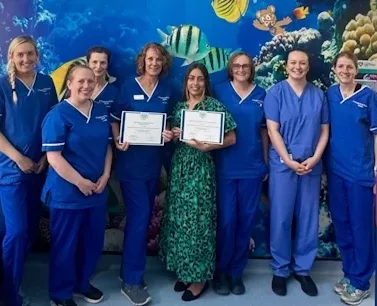
UK first for Leeds Congenital Echo Team
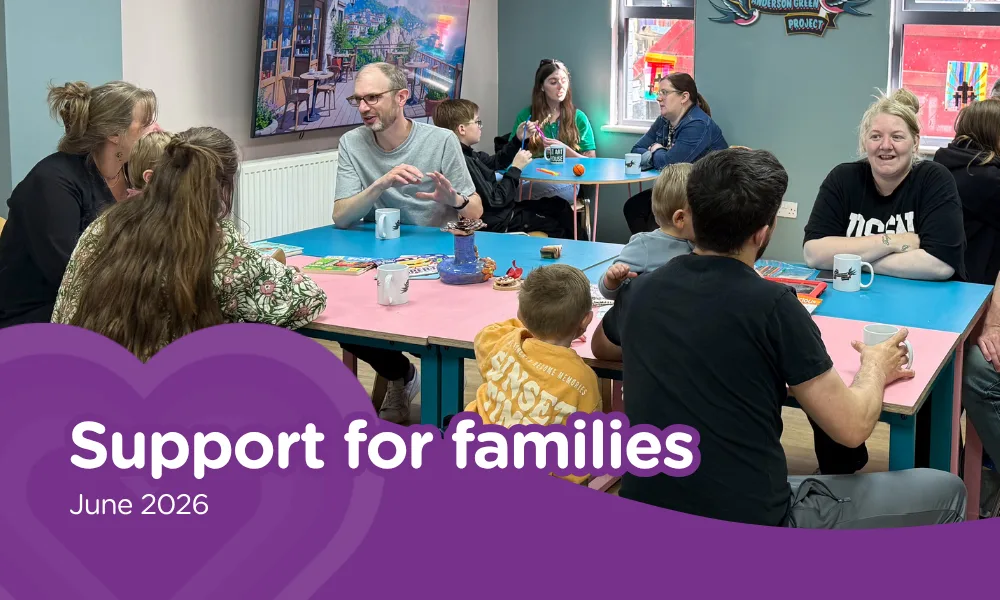
Support for families: June 2026
Ruth’s Round-up | July 2026

Join the CHSF team: Corporate Partnerships Manager
Join Our Facebook Group
Our private community group on Facebook is a peer-support forum for heart families to network with others who have shared experiences

Support for Families
We can offer a range of practical, wellbeing, financial and sign-posting support for our families at every stage of thir heart journey.