

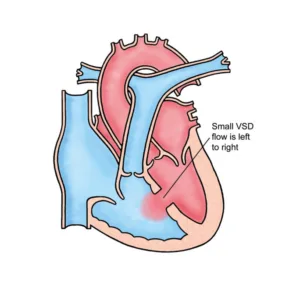
A muscular ventricular septal defect is a hole in the muscle wall between the two main pumping chambers of the heart (the ventricles). In the normal heart the left ventricle works at high pressure and pumps blood to the body and the right ventricle works at low pressure and pumps blood to the lungs. When there is a hole between the two ventricles (a VSD), blood flows from the left ventricle to the right ventricle through the hole. Some children may have more than one VSD.
Most holes in the thick muscular part of the ventricular septum gradually get smaller or even close off completely on their own as the child grows. In some cases this happens within a few months, in others it may take many years and in some the VSD doesn’t close at all.
Even if a small VSD does not close by itself, it does not usually need any treatment and does not usually stop the patient leading a completely normal life.
Normal heart:
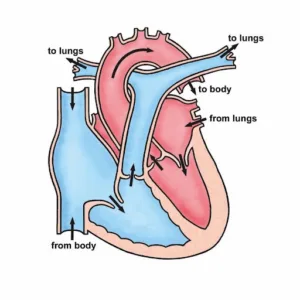
Image of a heart with a Small Ventricular Septal Defect (Muscular):
Tests
An ultrasound scan of the heart (“an echocardiogram”) is required to assess the size of the VSD and see how many VSDs there are.
General advice for the future
Children with small VSD’s can live normal active lives, including all kinds of sport. All children with a VSD will be at risk of infection in the heart (called endocarditis). Such infections may be caused by infections of the teeth or gums. It is important to look after your child’s teeth and visit the dentist regularly (every 6-12 months). Ear or body piercing and tattooing are best avoided as they also carry a small risk of infection which may spread to the heart. If a VSD closes by itself these precautions are no longer necessary.
For more information about endocarditis go to: https://www.leedsth.nhs.uk/patients/resources/infective-endocarditis-what-to-do-to-avoid-it/
Contact
Please note: Children’s Heart Surgery Fund is not a medical resource and cannot provide medical advice. Heart conditions are very individual and what can be right for one person could potentially be dangerous for another. If you have any questions about yours or your child’s condition, please get in touch with Leeds Congenital Heart Unit directly, or the specialist nurses.
If you have any questions about your or your child’s heart condition, please contact the Cardiac Nurse Specialists
Children’s Cardiac Nurse Specialists
Phone number: 0113 3925467
Email: ccns.lgi@nhs.net
Adult Cardiac Nurse Specialists
Phone number: 0113 3928154
Email: leedsth-tr.achdnurse@nhs.net
Stories
Get the latest news, updates, and opinion from the Children’s Heart Surgery Fun Team
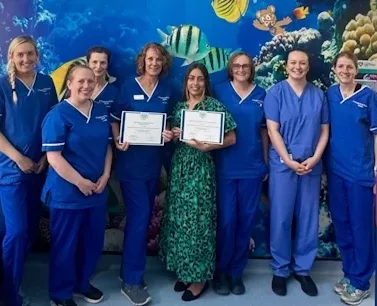
UK first for Leeds Congenital Echo Team
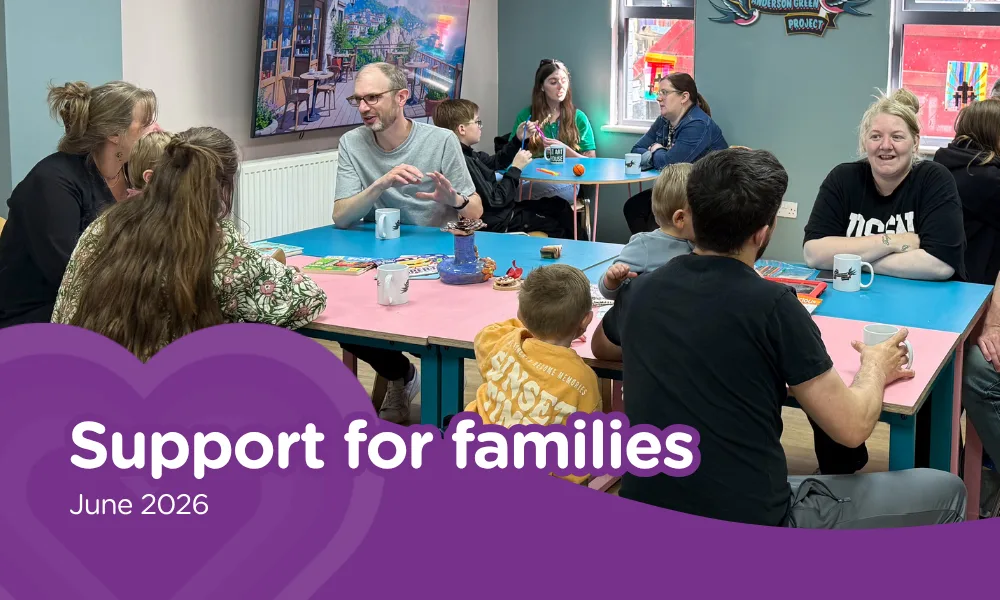
Support for families: June 2026
Ruth’s Round-up | July 2026

Join the CHSF team: Corporate Partnerships Manager
Join Our Facebook Group
Our private community group on Facebook is a peer-support forum for heart families to network with others who have shared experiences

Support for Families
We can offer a range of practical, wellbeing, financial and sign-posting support for our families at every stage of thir heart journey.