

Information taken from British Heart Foundation website
Tricuspid atresia is when the valve between the right atrium and ventricle of your heart does not form properly. This means less blood is pumped to your lungs and your heart has to work harder to pump blood around your body. Tricuspid atresia is a type of congenital heart disease, meaning you’re born with it.
What is tricuspid atresia?
If you have tricuspid atresia the valve between your atrium and ventricle on the right side of your heart does not develop.
Your right ventricle does not develop properly and can be smaller than normal. In some cases, the valve between your ventricle and your lungs (your pulmonary valve) may also be narrow or closed completely. This means that blood low in oxygen does not enter the right ventricle and is not pumped to the lungs to get oxygen.
People with tricuspid atresia may also have one or more holes in their heart. It’s common to have a hole between the top chambers of your heart, called an atrial septal defect (ASD). You may also have a hole between the bottom chambers of your heart, called a ventricular septal effect (VSD).
This means that blood low in oxygen and blood high in oxygen mix in the heart and your body may not get enough oxygen to work properly.
You may hear tricuspid atresia being called a single ventricle condition or univentricular condition because only one of your ventricles is working properly.
Signs and symptoms
What are the signs and symptoms of tricuspid atresia?
Babies or young children can show symptoms of tricuspid atresia including:
- a blue colour to your skin (cyanosis)
- a heart murmur
- feeling breathless
- not eating or feeding well
- feeling very tired (fatigue).
Speak to your doctor if you notice any new symptoms or symptoms that are getting worse.
Diagnosis
How is tricuspid atresia diagnosed?
Tricuspid atresia will be diagnosed before you’re born or very soon after.
An ultrasound or a foetal echocardiogram can be used to diagnose tricuspid atresia before you’re born. These tests show doctors pictures of the heart. They’re safe for babies.
Babies born with tricuspid atresia will show symptoms. They’ll usually have an echocardiogram and urgent treatment at a specialist unit or hospital.
Treatment
How is tricuspid atresia treated?
There is currently no treatment to repair tricuspid atresia because it’s not possible to repair or create a new right ventricle. But you can get treatment to help the blood flow better in your heart, treat symptoms and help with other heart conditions.
There are different treatments available depending on your heart and whether you have other heart conditions. You’ll usually have treatment when you’re a baby or child.
Here are some common treatments:
Medicine when you’re born
You may be given medicine shortly after you’re born. This helps keep a blood vessel, called the ductus arteriosus, open. Your ductus arteriosus sends blood to your lungs before you’re born.
Normally this blood vessel closes itself shortly after you’re born. By keeping it open, more blood can get to your lungs.
Surgery
To help the blood flow better through your heart you may be offered surgery or procedures. These help your lungs to get the right amount of blood.
You’ll usually be offered surgery in 3 main stages:
- as a baby shortly after you’re born
- as a baby or young child
- as a child, either before you start school or when you’re a bit older.
- You will need surgery to help the flow of blood to the lungs when you are a few weeks or months old. Your specialist team will explain this to you.
Types of surgery
The first operation you’ll usually have is called a Blalock-Taussig (BT) shunt. It involves connecting an artery (usually from your arm) to an artery going to your lungs (a pulmonary artery). This increases the amount of blood going to your lungs.
You will also need more surgery to increase the amount of blood going to the lungs. You may have one or both of these surgeries:
- Glenn shunt – one of the main veins going back to your heart (your superior vena cava) is connected to the main artery going to your lungs (your pulmonary artery).
- Fontan procedure (or complete TCPC) – one of the main veins going back to your heart (your inferior vena cava) is connected to the main artery going to your lungs (your pulmonary artery). Learn more in this video: https://www.youtube.com/watch?v=ZE1LPQ0UGDA
Both procedures mean blood low in oxygen goes straight to your lungs instead of through your heart. More blood can get to your lungs to pick up oxygen and your heart does not have to work as hard.
As you get older you may need more surgery, including a heart transplant. Your doctor can tell you more about this.
Support with symptoms
Your doctor and specialist team will give you support with any symptoms you have. This may include medicines to help your heart work better.
Speak to them if you have any new symptoms or symptoms that are getting worse.
Life with tricuspid atresia
You can live with tricuspid atresia after having surgery to help your heart work better. However, it’s important to understand your condition and when you may need to adjust your daily activities.
For example, you may have less energy than other people your age or become tired quicker than other people. This can affect things like school, exercise and holidays. Planning your days can help, by breaking up activities and resting regularly.
It’s also important to go to your appointments, even if you feel well. Your doctors will check how your heart is working and can help answer any questions you have.
Can I exercise with tricuspid atresia?
Most people with tricuspid atresia can still exercise and keep active. You may get tired more quickly when exercising and it’s important to know what’s safe for you.
Depending on your condition and how well your heart is working you may need to avoid some activities.
Speak to your specialist doctor about what exercise you can do.
For more information about endocarditis go to: https://www.leedsth.nhs.uk/patients/resources/infective-endocarditis-what-to-do-to-avoid-it/
Contact
Please note: Children’s Heart Surgery Fund is not a medical resource and cannot provide medical advice. Heart conditions are very individual and what can be right for one person could potentially be dangerous for another. If you have any questions about yours or your child’s condition, please get in touch with Leeds Congenital Heart Unit directly, or the specialist nurses.
If you have any questions about your or your child’s heart condition, please contact the Cardiac Nurse Specialists
Children’s Cardiac Nurse Specialists
Phone number: 0113 3925467
Email: ccns.lgi@nhs.net
Adult Cardiac Nurse Specialists
Phone number: 0113 3928154
Email: leedsth-tr.achdnurse@nhs.net
Stories
Get the latest news, updates, and opinion from the Children’s Heart Surgery Fun Team
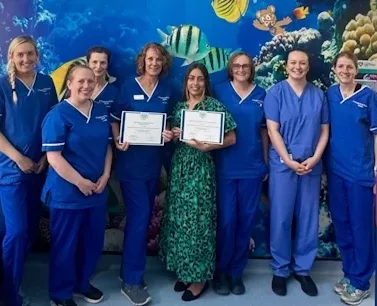
UK first for Leeds Congenital Echo Team
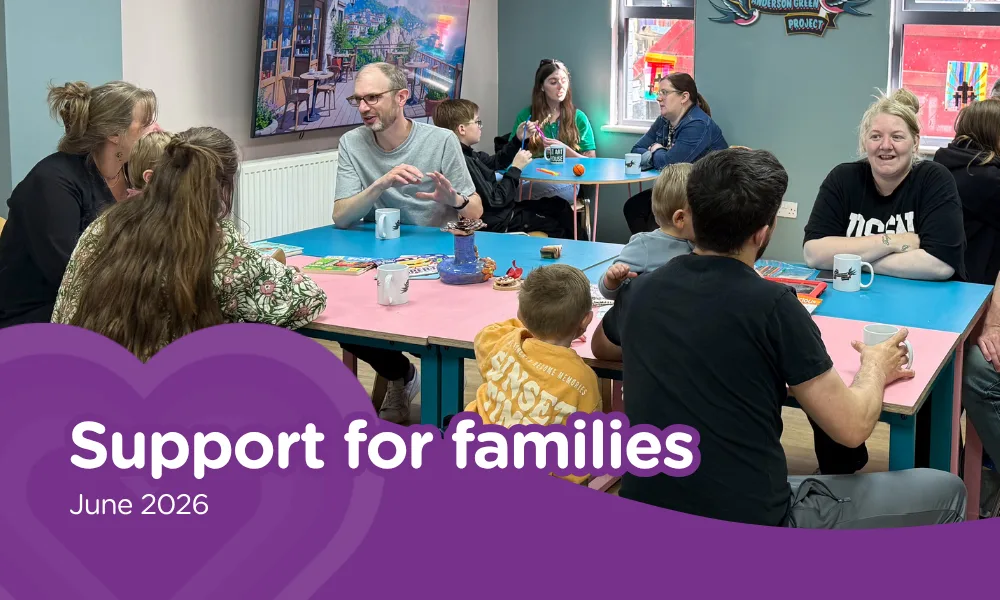
Support for families: June 2026
Ruth’s Round-up | July 2026

Join the CHSF team: Corporate Partnerships Manager
Join Our Facebook Group
Our private community group on Facebook is a peer-support forum for heart families to network with others who have shared experiences

Support for Families
We can offer a range of practical, wellbeing, financial and sign-posting support for our families at every stage of thir heart journey.