If you’re anything like us, you’ve been hooked on the halfpipe and swooning over the skaters while watching the 2026 Winter Olympics.
With this year’s games taking place in Milano Cortina, we wanted to take a moment to highlight Olympians past and present who were born with congenital heart defects and still reached the highest levels of sport.
Their stories show that CHD can be part of your history without always limiting your future and so we wanted our families to be able to spot a fellow famous heart warrior out on the slopes!
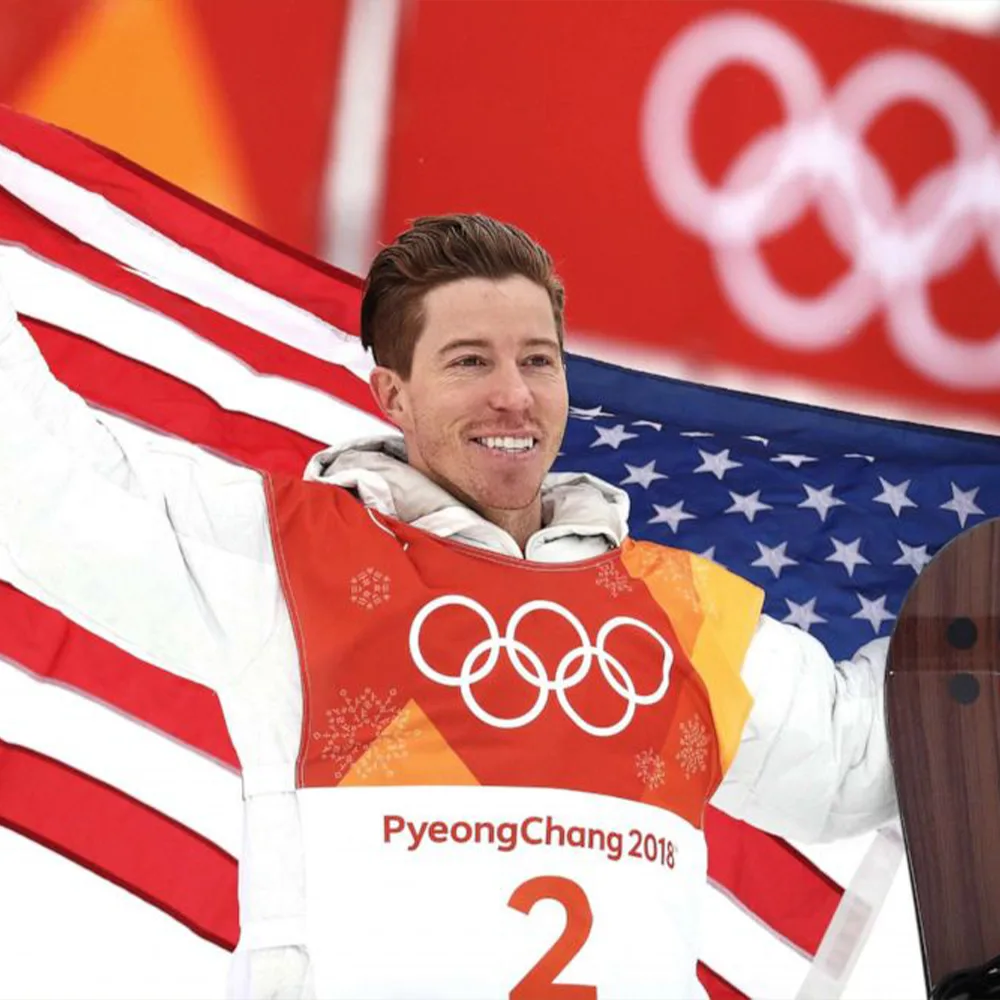
Shaun White
Snowboarding
Shaun White was born with Tetralogy of Fallot (TOF) and underwent open heart surgeries during infancy.
Despite that tough beginning, he went on to become one of the most decorated snowboarders in Olympic history. He is a five-time Olympian and a three-time Olympic gold medalist in half-pipe snowboarding.
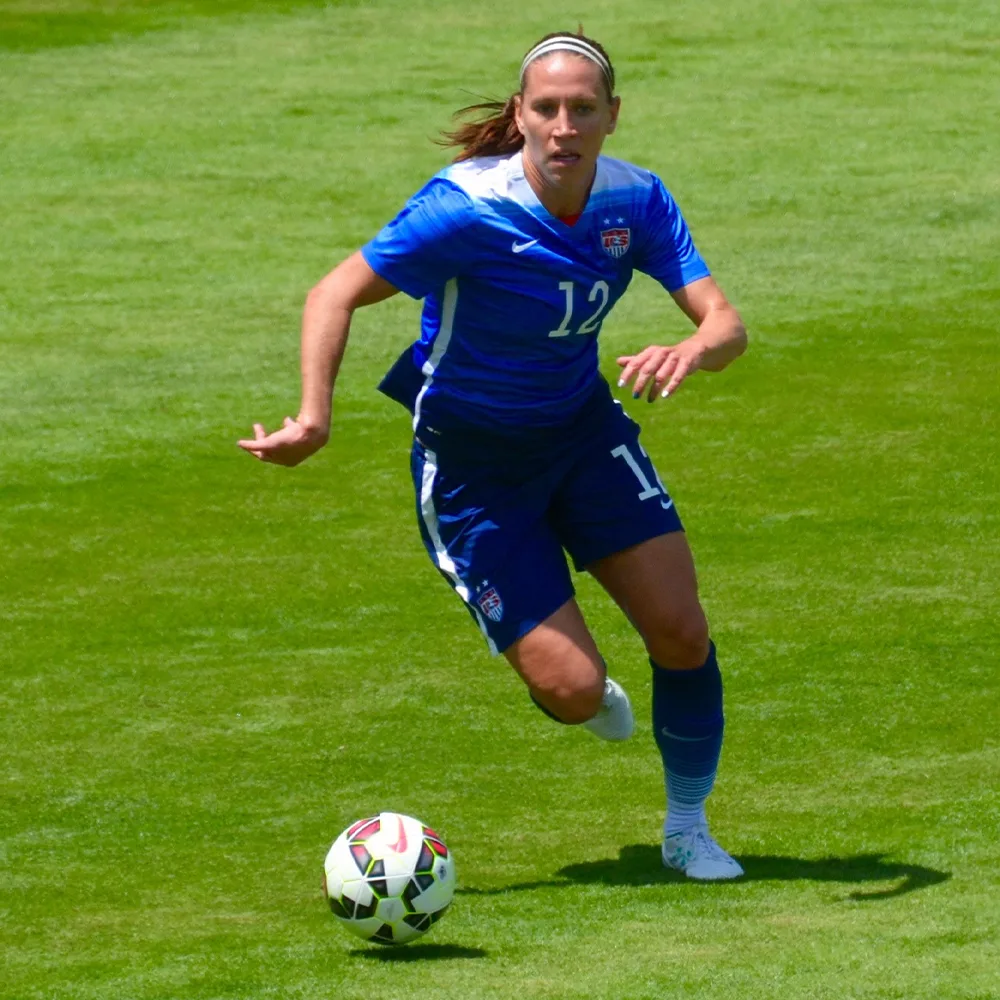
Lauren Holiday (née. Cheney)
Football
Lauren had open heart surgery at the age of three to repair an atrial septal defect (ASD). She later represented the United States women’s team, playing midfield and forward.
Lauren is a two-time Olympic gold medalist and FIFA Women’s World Cup champion.
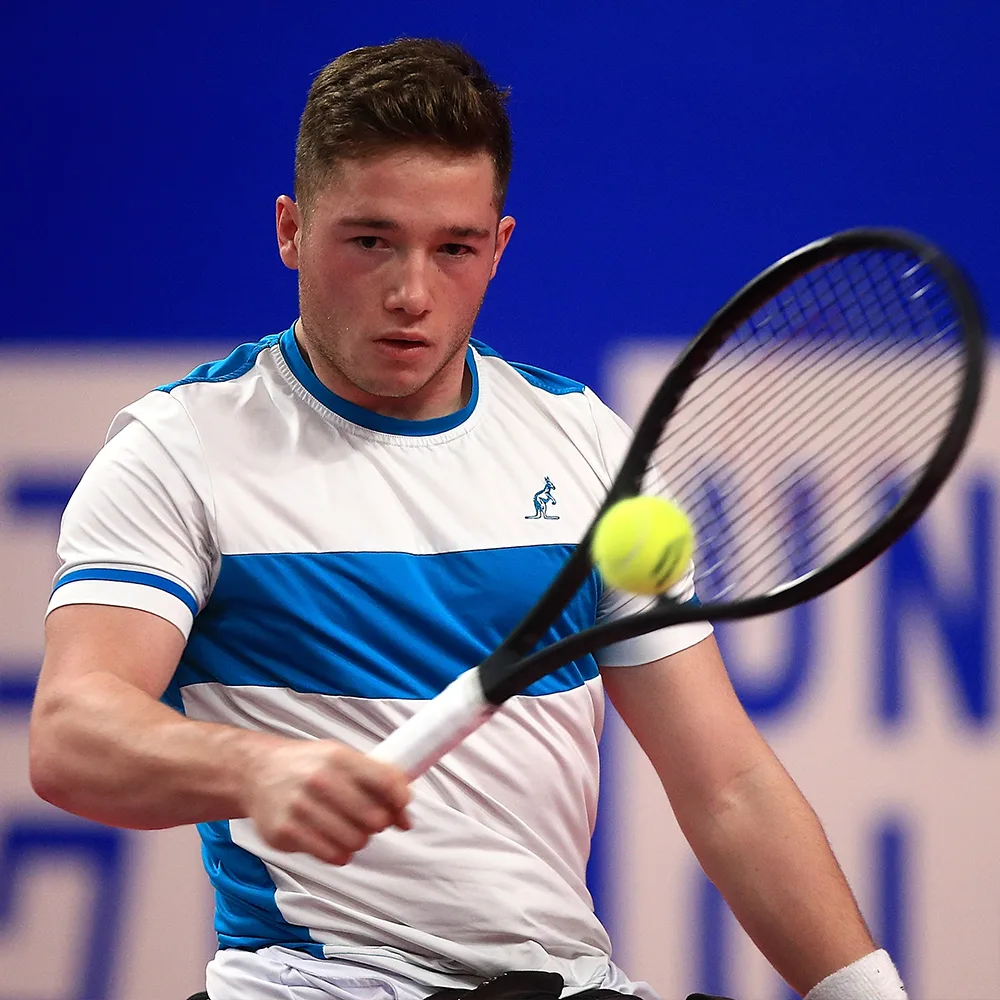
Alfie Hewett
Wheelchair Tennis
Alfie is one of Britain’s most successful Paralympians and the current World No. 1 in wheelchair tennis singles and doubles. He was born with Tetralogy of Fallot (ToF) and underwent open heart surgery at just six months old. He has since gone on to earn multiple Grand Slam titles and three Paralympic silver medals. Alfie was warded an OBE in 2023 for his services to tennis.
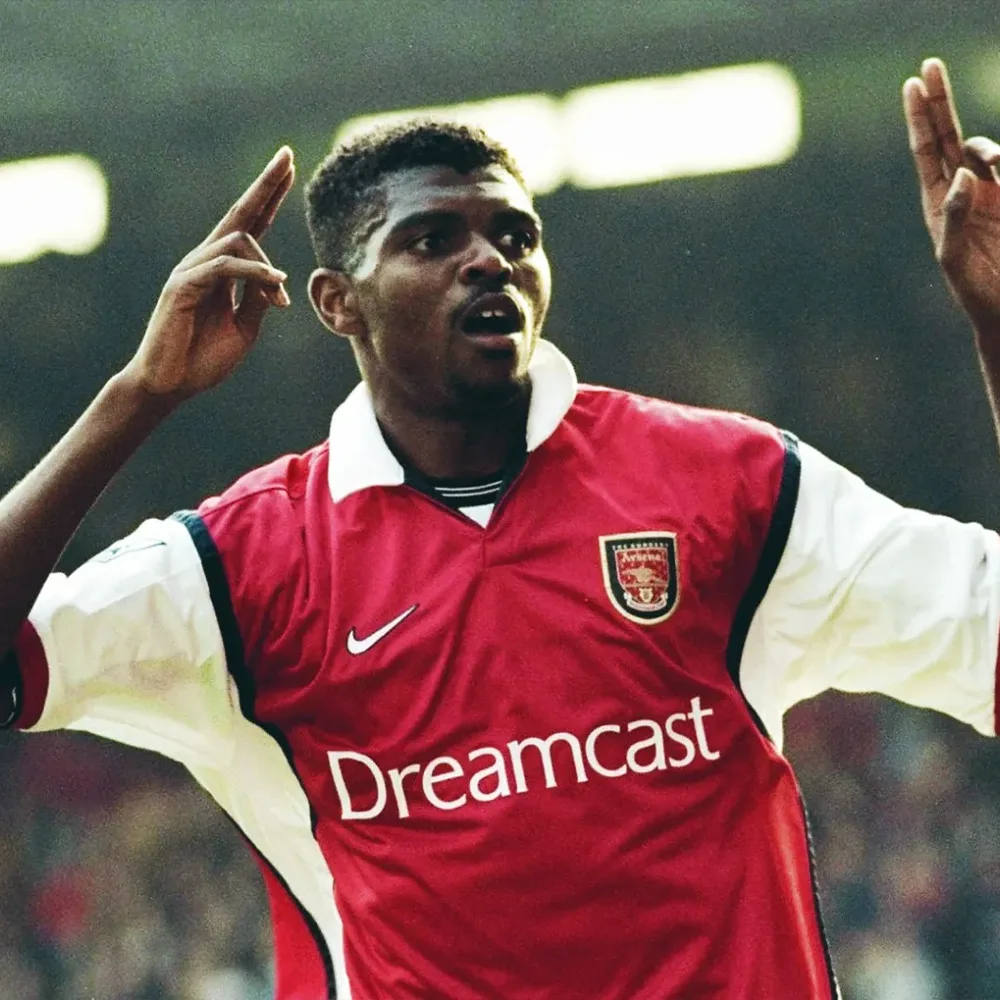
Nwankwo Kanu
Football
Kanu, a celebrated Nigerian footballer and Olympic Gold medallist, was born with a congenital issue affecting his aortic valve and eventually required corrective heart surgery. During his club career, he became a familiar face in the Premier League, playing for Arsenal, West Bromwich Albion, and Portsmouth. He has since used his platform – including the Kanu Heart Foundation – to support children living with CHD.
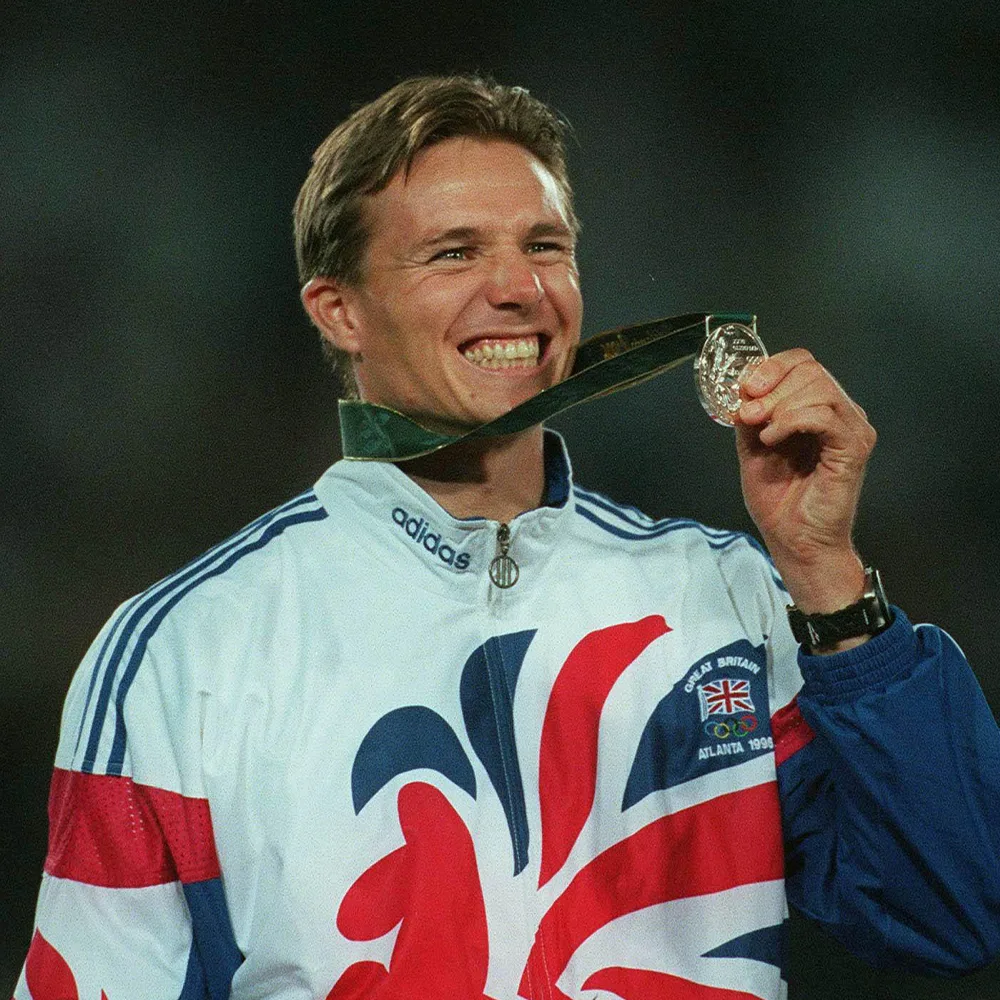
Roger Black MBE
Athletics
Roger has spoken openly about living with a bicuspid aortic valve, a congenital condition affecting roughly 1 in 50 people, and later needing open heart surgery. Despite this, he built an exceptional Olympic career as part of Team GB, winning silver medal in the 400 metres sprint.
He also has incredible achievements at the European and World Championships.
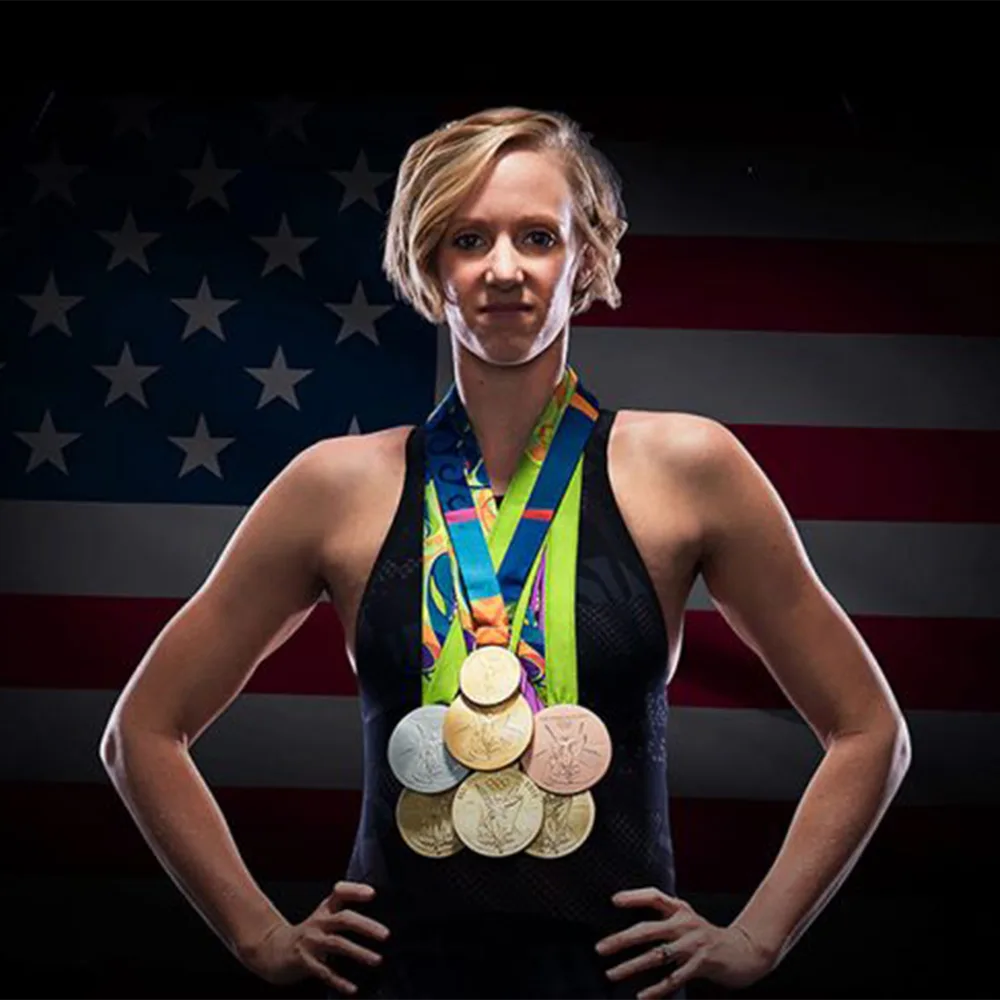
Dana Vollmer
Swimming
Dana was diagnosed with Long QT Syndrome at the age of 14. After undergoing an ablation procedure, she always trained and competed with an external defibrillator (AED) close by.
She went on to claim multiple Olympic medals, becoming one of the sport’s standout figures and a true inspiration to so many.
These athletes demonstrate to heart warriors everywhere that a diagnosis doesn’t always have to define your pathway – and that drive, courage and belief can lead to remarkable achievements.
Stories like these remind us why our work at CHSF is vital and it matters. With world-class care and awesome support behind them, children with CHD can grow up to shape their own futures in incredible ways.
Support local heart warriors and their families by making a donation today. Empowered lives, because of you.
Thanks to your donations, we have just released a new animated video explaining the Fontan circulation and how patients with single ventricle heart defects are typically treated.
This video was created in collaboration with specialists from the Leeds Congenital Heart Unit, and our colleagues at Feature Media.
In a normal heart, blood flows in a circuit. The right ventricle pumps deoxygenated (‘blue’) blood to the lungs, where it picks up oxygen, and then the oxygenated (‘red’) blood returns to the left ventricle, which pumps it out to the body.
Here is an animation showing the normal heart:
In single ventricle conditions, part of the heart is underdeveloped, so a series of operations are required to ensure the body gets enough oxygen.
These operations result in “The Fontan Circulation”. This video shows the Fontan circulation in more detail:
Please note that this video illustrates the Fontan Circulation very simply and not all single ventricle conditions are the same, therefore some patients may have had/need different operations/treatment.
The aim of the Fontan operation is to separate the blood to ensure that only blue blood goes to the lungs and red blood is pumped to the body. This is done by connecting the veins that carry blood that is low in oxygen from the body directly to the lungs where it picks up oxygen. Blood that is full of oxygen then goes to the heart and is pumped to the body.
Patients with a Fontan circulation require lifelong monitoring and management by healthcare professionals. This includes regular check-ups, imaging, and interventions as needed to address potential complications.
The procedure gets its name having been initially performed in 1968 by Francis Fontan and Eugene Baudet from Bordeaux in France. The operations are usually carried out between the ages of a few months old to around 5 years of age.
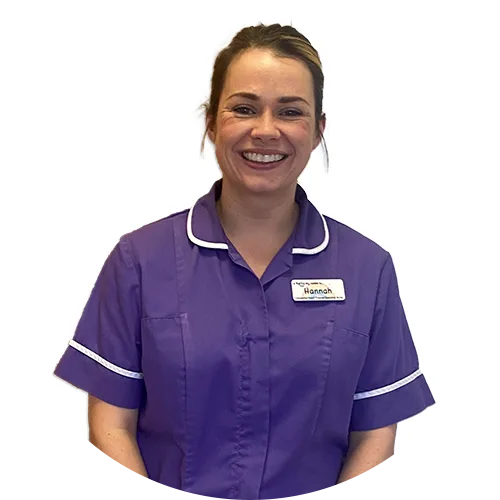
Hannah Swift, Adult Congenital Heart Disease Nurse Specialist, said:
“Sometimes it can be hard to explain the different heart conditions to patients and families, so these videos provide a simple, visual aid to help ensure people understand their heart conditions. We also use them for training and education of staff members all over the region.
“The Fontan Circulation can be particularly difficult to understand so we were keen to develop a new video with Feature Media and thanks to CHSF and its supporters we have been able to… Thank you!”
Because of You, CHSF have been able to fund a range of other CHD videos covering a range of common congenital heart defects and treatments.
Please note: Children’s Heart Surgery Fund is not a medical resource and cannot provide medical advice.
Heart conditions are very individual and what can be right for one person could potentially be dangerous for another. If you have any questions about yours or your child’s condition, please get in touch with Leeds Congenital Heart Unit directly, or the specialist nurses.
- www.leedsth.nhs.uk/services/congenital-heart-unit has lots of information, and is a great place to start
- Children’s Cardiac Nurse Specialists
ccns.lgi@nhs.net
0113 3925467
(Please leave a voicemail, your child’s date of birth, their NHS Number if you have it, and your telephone number)
- Adult Cardiac Nurse Specialists
leedsth-tr.achdnurse@nhs.net
0113 3928154
(Please leave a voicemail, your date of birth, your NHS number if you have it and your telephone number)
The oral health of children with congenital heart disease is particularly important as they are at an increased risk of developing bacterial infections such as infective endocarditis.
To celebrate #OralHealthMonth, here’s some important information from experts at the Leeds Congenital Heart Unit and Leeds Dental Institute…
What is Infective Endocarditis?
Endocarditis is a rare infection of the inside of the heart or main arteries. Most patients with congenital heart disease are at increased risk of getting endocarditis.
How does good oral hygiene help prevent Endocarditis?
Everybody carries bacteria in the mouth. These are usually harmless, but if the teeth or gums become diseased it becomes much easier for large numbers of bacteria to get into the blood, with the risk they may settle in the heart and cause endocarditis. Keeping your teeth clean and free from tooth decay can really help reduce the risk.
What are some top tips for keeping my child’s teeth healthy?
- Start brushing babies’ teeth as soon as they come through
- Teeth should be brushed at least twice a day, and once before bed
- SPIT DON’T RINSE! Toothpaste builds a protective layer of fluoride on teeth. Rinsing washes it away
- From 12 months onwards, after brushing teeth at night only drink water
- Keep sugary foods and drinks to mealtimes – the more often we eat sugar, the more damaging it can be
When should I take my child to the dentist?
It is important to take your baby/child to the dentist by the age of one. The dental team can give you help and advice about looking after your child’s teeth and identify any problems early.
What if I don’t have a dentist?
It’s never too late – for more information about how to find an NHS dentist visit: www.nhs.uk/nhs-services/dentists
These useful links provide further information and resources to help look after your child’s teeth:
The above information has been taken from two books your donations helped CHSF to produce – ‘Dental Care for Children with CHD’ and ‘Katie Bear Goes to the Dentist’, both written by experts from the Leeds Congenital Heart Unit and the Leeds Dental Institute.
These books provide even more oral hygiene messages and information for families of young children with congenital heart disease.
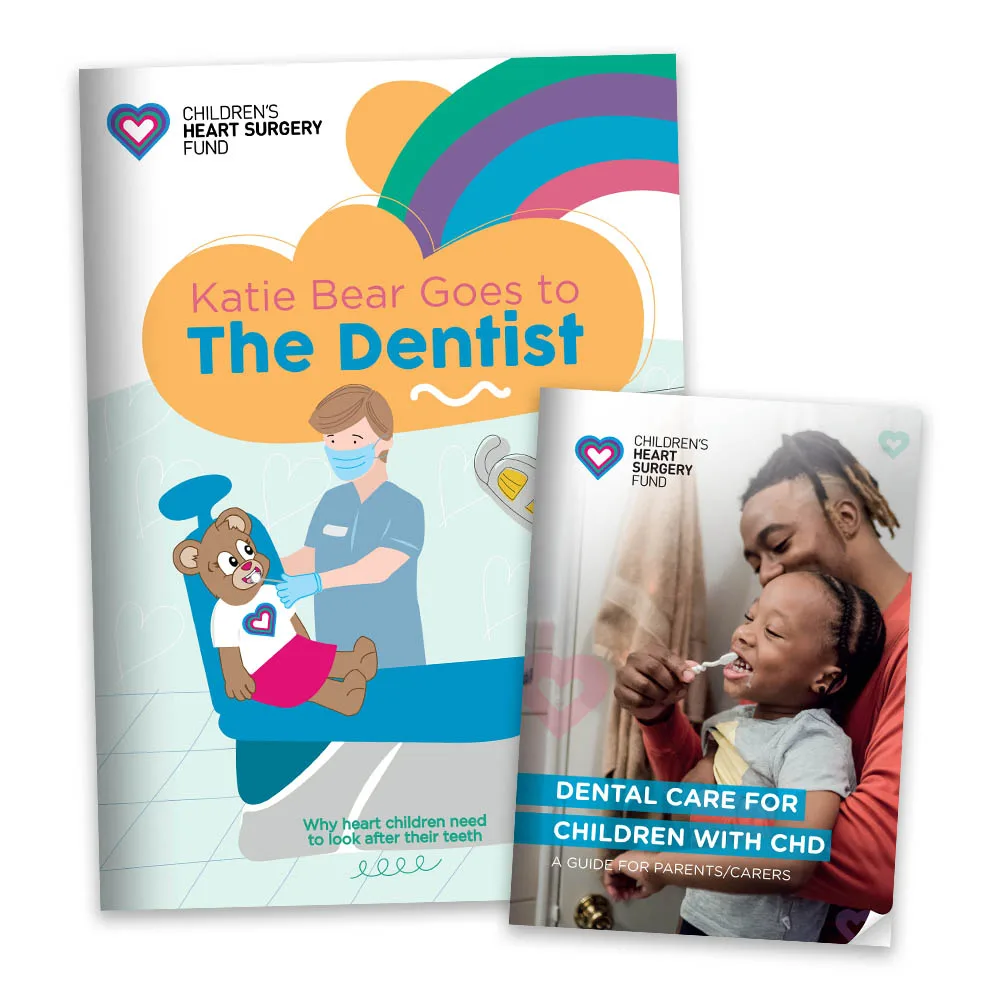
‘Katie Bear Goes to the Dentist’ is written from a child’s perspective and will help them to appreciate the importance of good oral hygiene. ‘Dental Care for Children with CHD’ is a guide to go alongside it for parents and carers.