

An atrial septal defect (ASD) is a hole between the two collecting chambers of the heart, known as ‘atria’. The hole allows blood to cross from the left chamber to the right chamber leading to extra blood flow through the lung arteries and lungs. Usually patients with an ASD have very few symptoms but eventually, during later adult life some symptoms can develop. If left untreated, the extra blood flow can cause the right side of the heart to stretch. This may cause breathlessness and irregular heart rhythms that can be felt as ‘palpitations’.
There are three types of ASD’s:
Secundum ASD
This is the most common ASD, affecting around 90% of people with ASDs. It is caused when part of the wall separating the atria or ‘atrial septum’ does not close whilst the heart is developing. This results in a hole in the middle of the wall.
Sinus Venosus ASD
This defect is in the upper part of the atrial septum, near where a large vein (the superior vena cava) brings oxygen-poor blood from the upper body to the right atrium. Sinus venosus defects are rare, and they don’t close on their own. Sometimes the veins carrying blood back to the heart from the lungs can drain abnormally into the right atrium, rather than the left atrium. These defects are treated by open heart surgery, but it may be possible to treat some cases by new keyhole procedures.
Primum ASD
This defect occurs in the lower part of the atrial septum and is often associated with mitral and tricuspid heart valve problems.
Will my defect need closing?
We would generally recommend closure of all but the smallest of ASDs, unless other problems are present that would make this unwise (for example damage to the lungs, which can occur in some patients with ASDs). Your cardiologist will make an assessment of the hole in your heart and any other problems you have and discuss treatment with you.
Treatment
There are two options:
1. Surgery
ASDs were among the first heart abnormalities to be treated with an operation in the 1950’s. Surgery involves opening the chest through the breast bone and taking over the function of the heart and lungs with a “heart bypass” machine to allow the surgeon to stop the heart, and repair the hole with stitches and a patch. The procedure is very safe. As with most major operations there is a very small risk of serious complications such as death or brain damage (stroke). Other problems can occur, such as fluid collecting around the heart or temporary changes in heart rhythm but these are rarely serious.
After surgery, a short stay on the intensive care unit (usually around a day) and then a period in hospital for observation (usually about 5 days) is required before going home. Opening the front of the chest leads to a scar and the chest wall will be sore whilst it heals. The time taken to get fully back to normal varies from person to person but can be up to 3 months.
“Keyhole” treatment
Closure of ASDs using “keyhole” technique has been performed in a large number of patients over the last few decades. There are a number of devices available and they are usually made from a mixture of fine wire and synthetic cloth. The procedure is performed under a general anaesthetic. The devices fold into a thin tube (catheter) which is inserted into the vein in the groin.
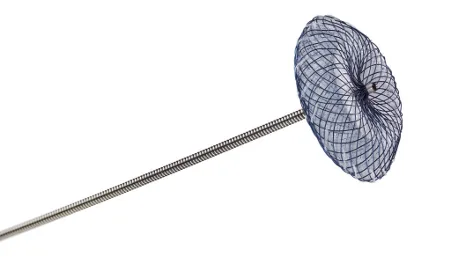
The device is then unfolded into the hole and released. The device stays in the heart and eventually becomes covered by your own tissue during the healing process. Potential advantages of keyhole treatment over surgery are that it avoids the scar on the chest and the discomfort of an operation. The stay in hospital is usually one night. Complications are rare and are different to those that happen after open heart surgery. Not all holes are suitable for keyhole closure.
Before deciding upon the best treatment for you we may need some more tests and a decision will be made by the whole team. We will then be in touch with you to tell you what we would advise but the final decision is yours.
Contact
Please note: Children’s Heart Surgery Fund is not a medical resource and cannot provide medical advice. Heart conditions are very individual and what can be right for one person could potentially be dangerous for another. If you have any questions about yours or your child’s condition, please get in touch with Leeds Congenital Heart Unit directly, or the specialist nurses.
If you have any questions about your or your child’s heart condition, please contact the Cardiac Nurse Specialists
Children’s Cardiac Nurse Specialists
Phone number: 0113 3925467
Email: ccns.lgi@nhs.net
Adult Cardiac Nurse Specialists
Phone number: 0113 3928154
Email: leedsth-tr.achdnurse@nhs.net
Stories
Get the latest news, updates, and opinion from the Children’s Heart Surgery Fun Team
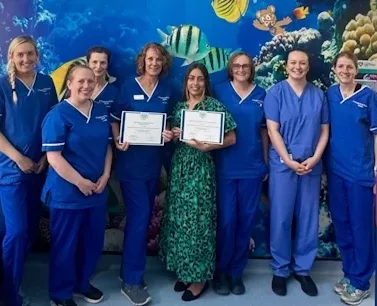
UK first for Leeds Congenital Echo Team
Support for families: June 2026
Ruth’s Round-up | July 2026
Join the CHSF team: Corporate Partnerships Manager
Join Our Facebook Group
Our private community group on Facebook is a peer-support forum for heart families to network with others who have shared experiences

Support for Families
We can offer a range of practical, wellbeing, financial and sign-posting support for our families at every stage of thir heart journey.